






When It Comes to Sex, Minds Really Matter
Can affective neuroscience theory actually make our pleasures more pleasurable?
At first glance, it seems like an obvious hypothesis—“core emotions can also influence sexual function and, specifically, that imbalances in core emotions are the bridge connecting psychiatric symptoms (eg, anhedonia) to sexual dysfunction (eg, anorgasmia)”—but mental health researchers from Stanford University, the Palo Alto Veterans Health Care System, Rutgers University, and the University of Padova have recently published a sophisticated, targeted literature review sure to have profound impacts on the way we understand and clinically address sexual dysfunctions and wellness.
Boom! But what is affective neuroscience theory (ANT)? The researchers explain:
Affective neuroscience is the study of the brain substrates of emotional, embodied experiences. Affective neuroscience theory (ANT) is based on experimental evidence that all mammals are hardwired with 7 primary subcortical emotional operating systems, or “core emotions,” that have overlapping but distinct circuits buried in the deep, ancient parts of the brain. Imbalances in the 7 core emotions can affect multiple aspects of the individual’s psychosocial well-being (eg, depression, anxiety, substance abuse).
The authors describe the primary premises of ANT:
Core emotions exist and are essential to the human experience.
Core emotions are visceral, embodied, somatic experiences, not just the cognitive awareness of those sensations.
Core emotions are highly relevant in the treatment of sexual disorders; therefore, an affective neuroscience model is needed to guide treatment of sexual dysfunction.
If that’s already a bit much, read on—there’ll be a test at the end of this article. (Just kidding.)
Stress erodes sex
While it may feel easier to take medication than do meditation, the effects of stress and worry on physiological function and enjoyment are well known.
A particularly good article about erectile dysfunction (ED) in Allohealth describes how stress diminishes blood flow to the genitals; increases cortisol which then diminishes testosterone; creates mental distraction; and activates the sympathetic fight, flight or freeze—instead of fornicate— portion of the nervous system.
On the same subject, an article in Healthline says:
Psychological factors such as stress and anxiety are common and curable causes of erectile dysfunction, as these mental health conditions can disrupt the brain’s signals to the penis, affecting blood flow.
Healthline recommends “alternative treatments such as relaxation techniques, meditation, yoga, and acupuncture” to complement sex and anxiety therapies. Of course a medical check-up is always advised.
The ANT study mentioned above lists a variety of clinical approaches and relaxation techniques that can complement affective balance therapies to improve sexual function and enjoyment. These include hypnotherapy, progressive muscle relaxation, breath training, mindfulness meditations, and more.
Affective Balance Therapies (ABT)
The researchers in the ANT review found “the affective neuroscience of personality is an empirically backed, translational framework…[that] remains underutilized in sexual medicine” and that affective balance therapies (ABT) based on ANT “provide a useful template to guide clinical practice” for all manner of sexual difficulties.
To demonstrate how affective balance therapies aren’t just applicable to ED, the ANT review includes a case study of a woman with anorgasmia; a man reporting detrimental sexually compulsive behavior; and a spinal cord injury patient with low libido and low sexual satisfaction.
In addressing the anorgasmic woman’s belief—“I can’t orgasm”—by shifting it to “I can learn to orgasm,” the therapist delivered the same kind of classic positive suggestion designed to counter negative self-talk that is also used in hypnotherapy. And in using an adult sex education approach, the therapist also encouraged the woman to explore her own body using sextech. The client was able to eventually orgasm by herself and with a partner.
Hypnotherapy was explicitly used in the case of the woman with spinal cord injury, helping her to “create different experiences of being in her body, using her imagination to ‘feel’ bodily sensations that she had lost.”
In the case of the man with detrimental sexual compulsions, the therapist incorporated breath-work, guided imagery, and mindfulness techniques—often also part of hypnotherapy—in addition to psychoeducation.
It’s a balancing act: the 7 primary “core emotions”
Popularly known for investigating laughter in animals, the late Jaak Panksepp, a neuroscientist and psychobiologist, published his book on affective neuroscience theory in the late 1990s.
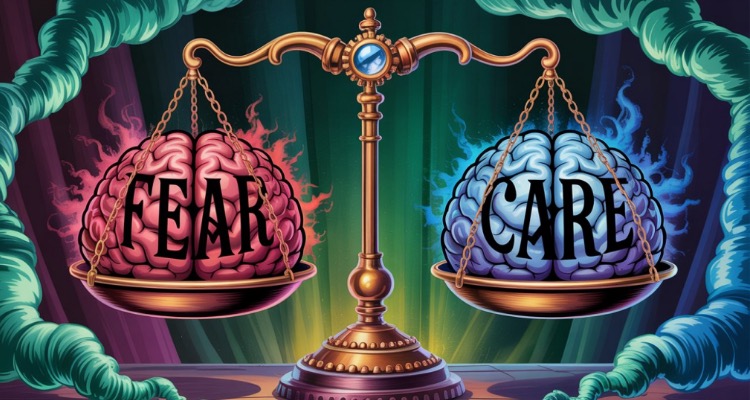
Panksepp identified seven primary or “coreSELF” emotions, which he identified in both animals and human beings. In essence, animals—and people—are drawn to stimuli that feel good and are averse to sensations that make them feel bad. The ANT researchers wrote:
Panksepp identified and defined 7 core emotional systems—SEEKING, FEAR, RAGE, PANIC/GRIEF/SADNESS, LUST, CARE, and PLAY.The terms are capitalized to distinguish from the colloquial usage of the labels.These systems can be further broken down into aversive systems, which include FEAR, RAGE, and PANIC, and affiliative systems, which include CARE, LUST, SEEKING and PLAY.
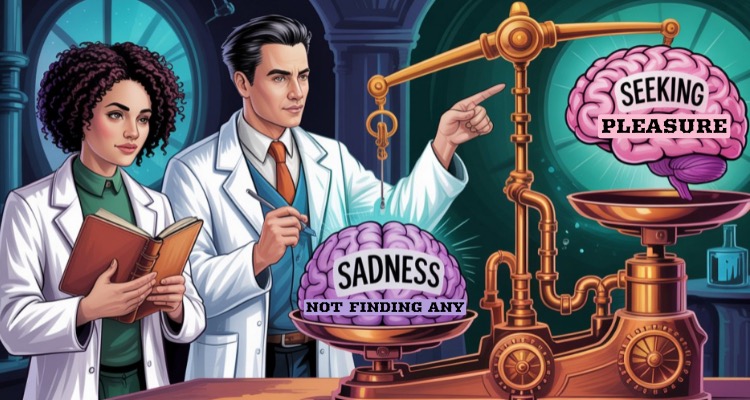
It’s beyond the scope of this short article to describe the intricacies of this theory, but these emotions and interactions are interactive and the theory helps to shed light on various sex-related mental health conditions. For example, the ANT article describes depression as low SEEKING of new experiences and high PANIC, possibly resulting in low PLAY opportunities (joyful experiences).
The basic goal of ABT seems to consist of aiding the client in balancing these core emotions while managing their behavior. The work starts with assessing clients using two scales: Affective Neuroscience Personality Scales (ANPS) and the LUST scale.
Our sexual future is both mindful and embodied
The above review opens an incredible vista into neuroscience insights and clinical work that really can help people suffering from a lack of sexual pleasure and function, most likely resulting in lasting improvement.
Such research, in this case partially supported by a Veterans Administration Career Development Award, may be the last of its kind in the US for the foreseeable future. Let’s hope researchers and students in other countries will continue to investigate the application and efficacy of affective neuroscience in sexual therapy.
Image source: A.R. Marsh using Ideogram.ai