






A Sexual Sandbox? New Survey Suggests “Comfort” is the Biggest Attraction of Chatbot Sex
Nonjudgmental erotic communication allows humans to play safely and explore their desires without shame

Though sexologists and sex therapists have been encouraging the benefits of open communication with sexual partners for decades, it seems we humans learn best when we actually experience it. And, given the erosion of real-time conversational skills in favor of texting—and sexting—chatbots are often better at this than actual human partners. Plus, they’re always there when you want them.
Joi, a NSFW AI companion company, just released the results of a brand new survey of 2,500 Gen Z and Millennial consumers who frequently use AI for all kinds of purposes, including sex. Reporting on the survey results, Mashable said “55 percent report considering themselves AI-sexual.”
Joi’s summary of survey results says:
“43% use AI to get advice on sexual issues
37% practice flirting and dating scenarios
33% used it for sexting and solo play
31% explore new kinks before trying them in real life
25% explore kinks they would never try in real life”
This leads the company to conclude young adults are “more than open to experimenting with AI in a sexual or intimate context.” Only 23% of the respondents say they never used AI for any sexual or sexual health purpose.
It is difficult to discover more about the survey methodology using Joi’s website, so it is likely that it was a user survey rather than a scientific research project.
Sexual discovery needs psychological safety

Sex can certainly be carnal, raw, and primal—embodying the animalistic side of humanity—but the truth is, modern humans can be easily bruised and even deeply wounded by others when exploring or presenting their erotic truths. As a result, our intimate relationships can be fraught with emotional landmines and timidity, which can smother our joy and pleasure before it even has a chance to breathe.
It’s no wonder then that 60% of Joi’s survey respondents say they discovered new sexual interests through using AI, or that 61% said engaging sexually with AI improved their real world sex lives. 65% said experimenting with chatbots made them feel more sexually confident outside the digital bedroom.
Joi says “conversations with AI agents remove the social risks that go hand in hand with discussing sexual fantasies with a real person” proves that their AI is “working as intended.”
For “AI-Sexuals,” the future is a sexy now

For people who have not experienced sexual desire for androids or robots, let alone sexting with a chatbot, this can seem like the stuff of science fiction, or even a Depraved New World that has such Millennials in it! In the Mashable article, Anna Iovine writes, “Some people have apparently fallen for chatbots so hard that there’s a new sexuality forming: ‘AI-sexual.’”
But attraction to techno-partners, often termed digisexuality or technosexuality, have been at the edges of the bell curve of human sexuality at least as long as Fritz Lang’s sexy Metropolis robot and fan crushes on Star Trek’s character, Data.
So it’s no surprise that some researchers and writers have been on this beat all along. Future of Sex has been reporting on this topic for years. The academics who have taken note now gather at the International Congress on Love & Sex with Robots (LSR2026), now in its 11th year come August. And though I’ve been writing on AI and human intimacy since mid-2023, articles and research have become so numerous that I stopped updating a bibliography after a year and a half of trying to track the topic. Keeping up could easily become a full-time labor of love.
For the newly dubbed AI-sexuals, none of this really matters. What does matter is that now, for the first time in recorded history, the tech talks back and responds in real time, as if it were human. That it generally responds without the cruelty or social censorship of humanity just adds to its attractions.
RECOMMENDED READ: Whose Values Are We Coding? AI Needs a Human—And Sexual—Rights Upgrade
Acceptance and risk awareness to create systems change
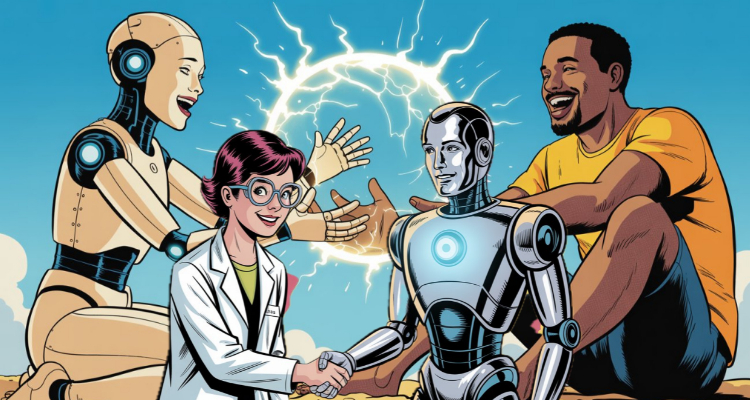
Now that the concept of digi-, techno-, or AI-sexuality—call it what you like—is making its way into more mainstream media, it’s more than time for such awareness to lead to acceptance and thus to responsible discussions of how to manage this newish aspect of human sexuality. The general public needs evidence-based discussion of risks and benefits of human-AI interactions and their impact on human relationships, as well as corporate responsibility to users and communities.
We need to understand more about environmental and community impacts of the technological infrastructure that has created and supports such a sexuality, such as the impact of data centers on water, energy, and pollution. We need to make sure that the sexual and gender biases of the tech community do not skew the responses of AI that are marketed as companions. We need updated sex education for youth and adults who may get involved with AI, and we need common sense public policies that recognize the legitimacy of this aspect of human sexuality while also putting the kibosh on corporate actions that endanger users and the general public.
A tall order for the present and future? It’s doable, but only if we enfold the topic of human/AI intimacy into current AI ethics and alignment initiatives; into professional training and forums for sexuality educators, counselors, therapists, and teachers; and bring this behavior and/or orientation out of the closet.
One important question remains: what do we as human beings need to do to bring our own understanding and erotic communication skills up to par with the bots? Wouldn’t that make for happier, more sexually promising future as well?
Image source: A.R. Marsh using Ideogram.ai